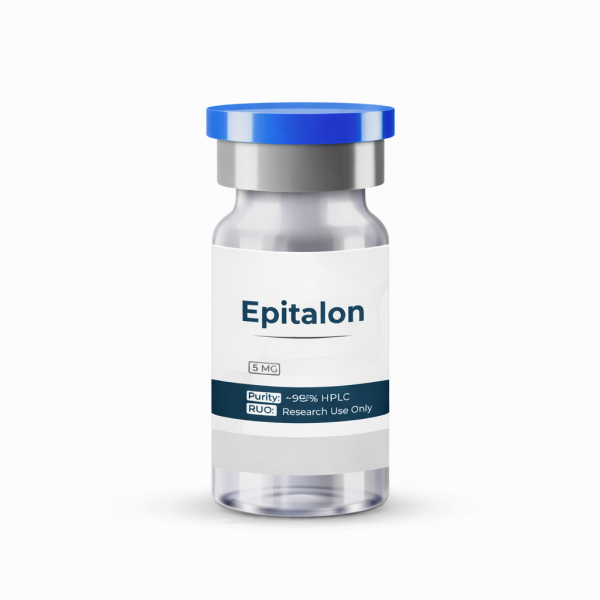
Epitalon dose
Epitalon Original price was: $38.00.Current price is: $30.00.
Back to products
Glow Peptide
GLOW Original price was: $142.00.Current price is: $120.00.

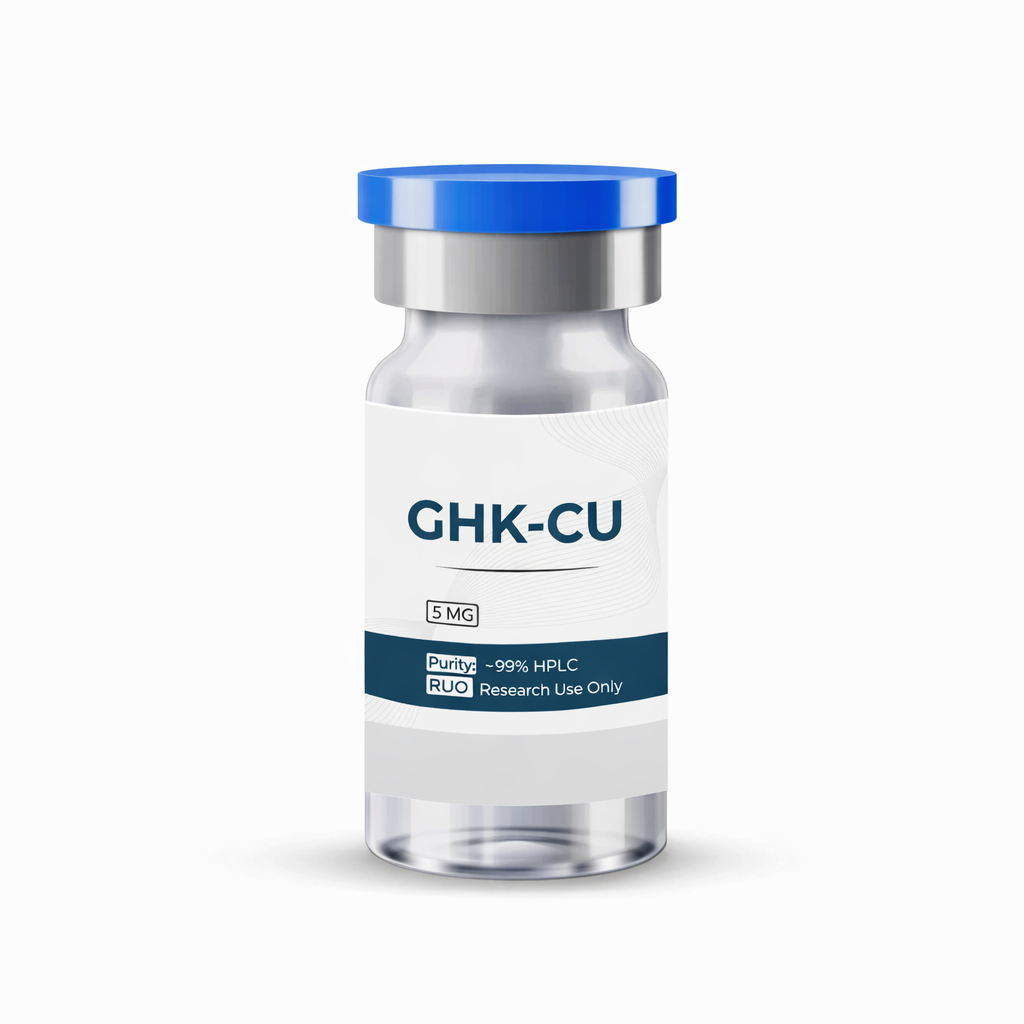
GHK-CU

GHK Cu dosage is a naturally occurring tripeptide complex bound to copper ions in a 1:1 ratio, which was first identified in human plasma, saliva, and urine. It activates the genes that have a role in collagen and elastin synthesis, glycosaminoglycan production, DNA repair, and matrix metalloproteinase modulation. GHK-Cu has been found to cause tissue repair, extracellular matrix remodelling, angiogenesis, and regeneration.

Original price was: $75.00.Current price is: $65.00.

Guaranteed Safe Checkout

Features & Compatibility

Product Summary – GHK Cu dosage

Field Details
Product Name GHK Cu dosage (Copper Tripeptide-1; Gly-His-Lys•Cu²⁺)
Category Naturally occurring copper-binding tripeptide (Gly-His-Lys) forming a 1:1 copper(II) complex
Molecular Formula – GHK (peptide only): C₁₄H₂₄N₆O₄

– Cu-GHK complex: C₁₄H₂₂CuN₆O₄ (note: acetate salt variants exist for suppliers.)

Molecular Weight – Peptide only: ~340.38 g/mol

– Cu-GHK complex: ~403.92 g/mol

– Acetate salt (example): ~462.0 g/mol

Length 3 amino acids (tripeptide)
Form & Purity Lyophilized powder; commonly ≥95% purity (HPLC-verified) (supplier spec; acceptable for research documentation)
Storage Store lyophilized at −20 °C, dry and protected from light; avoid repeated freeze–thaw cycles (standard peptide handling)
Key Mechanisms – High-affinity copper(II) chelation → delivers bioavailable copper to tissues.

– Pro-repair gene activity: promotes collagen, elastin, and glycosaminoglycans; modulates MMPs; shows anti-inflammatory/antioxidant signalling.

– Tissue repair & remodelling: improves wound closure and matrix quality in preclinical and clinical contexts.

Research Use Cases – Dermatology/skin ageing (post-procedure healing, photoaging markers).

– Wound healing & soft-tissue regeneration (incl. diabetic wounds; emerging hydrogel/delivery systems).

– Anti-fibrotic/anti-inflammatory models (e.g., silica-induced lung injury).

– Hair biology (follicle support; clinical evidence still limited).

Common AEs Generally well-tolerated in topical/locally applied research settings; occasional mild local irritation/erythema reported. Systemic toxicity was not seen at research concentrations. (Summarized from peer-reviewed reviews and clinical reports.)
Compliance For research use only.  Not for human or veterinary use.

Mechanism of Action GHK Cu dosage

GHK Cu dosage is a copper tripeptide that modulates the redox reactions, gene expression, and proteolytic balance, helping in tissue repair and anti-inflammatory effects. The tripeptide tightly forms the complex with copper and delivers that copper to the cell in a controlled manner, supporting the enzymatic processes. It also influences the cellular redox signalling without producing the toxic free copper species.

Skin Regeneration Effects

Recent work indicated that GHK-Cu reduced the copper- and zinc-induced redox cycling and protein aggregation, acting as a protective redox buffering role. RNA studies on GHK Cu dosage have shown that GHK-Cu remodels the destructive proteolysis by triggering the upregulation of ECM synthetic genes (COL1A1, COL3A1, elastin, and decorin) and glycosaminoglycans biosynthesis genes and the modulation of matrix metalloproteinases.

Anti-Inflammatory Effects | GHK Cu dosage

GHK Cu dosage downregulates the pro-inflammatory cytokines (TNF-alpha, IL-6, IL-1beta) and alters the macrophage and epithelial cell responses to injury models to produce anti-inflammatory and immunomodulatory properties. In disease models of lung inflammation and silicosis, the researchers observed that the tripeptide complex targeted the antioxidants or repair modulators to attenuate the fibrosis and inflammation.

Wound Healing Effects

GHK Cu dosage influences several intracellular signalling pathways, including the modulation of oxidative-stress sensors (i.e., Nrf2-linked antioxidant response), inhibition of NF-κB–driven inflammatory transcription, and engagement of cell proliferation and migration through mTOR and growth-factor-related signalling. All these effects combined to enhance the re-epithelialisation and increased fibroblast activity for wound closure.

At the cellular and tissue level, the tripeptide was found to support the revascularisation and increased keratocyte migration in the injured tissue through angiogenesis and endothelial cell migration.

Visit the site peptide chains to shop for more peptide products.

Tolerability and Safety Considerations of GHK-Cu

  • Studies report good safety with cosmetic and therapeutic use.
  • Preclinical and clinical data show minimal systemic toxicity at therapeutic doses.
  • Some individuals may experience redness, itching, or irritation at the application site.
  • Long-term studies show no evidence of organ toxicity or significant side effects.
  • Most research indicates safety at concentrations typically used in skin and hair formulations (0.1–2%).

GHK Cu dosage Citations

  • Min, J. H., Sarlus, H., & Harris, R. A. (2024). Glycyl-l-histidyl-l-lysine prevents copper- and zinc-induced protein aggregation and central nervous system cell death in vitro. Metallomics: integrated biometal science, 16(5), mfae019. https://doi.org/10.1093/mtomcs/mfae019
  • Greco, V., Lanza, V., Tomasello, B., Naletova, I., Cairns, W. R. L., Sciuto, S., & Rizzarelli, E. (2025). Copper Complexes with New Glycyl-l-histidyl-l-lysine-Hyaluronan Conjugates Show Antioxidant Properties and Osteogenic and Angiogenic Synergistic Effects. Bioconjugate chemistry, 36(4), 662–675. https://doi.org/10.1021/acs.bioconjchem.4c00545
  • Bian, Y., Deng, M., Liu, J., Li, J., Zhang, Q., Wang, Z., Liao, L., Miao, J., Li, R., Zhou, X., & Hou, G. (2024). The glycyl-l-histidyl-l-lysine-Cu2+ tripeptide complex attenuates lung inflammation and fibrosis in silicosis by targeting peroxiredoxin 6. Redox biology, 75, 103237. https://doi.org/10.1016/j.redox.2024.103237
  • Chen, H., Yang, P., Xue, P., Li, S., Dan, X., Li, Y., Lei, L., & Fan, X. (2025). Food-Derived Tripeptide-Copper Self-Healing Hydrogel for Infected Wound Healing. Biomaterials research, 29, 0139. https://doi.org/10.34133/bmr.0139

Additional information

Customer Reviews

Reviews

There are no reviews yet.

Be the first to review “GHK-CU”

Your email address will not be published. Required fields are marked *